
Buying a first home in North Miami Beach involves more than saving for a down payment. Closing expenses, insurance, inspections, association fees, and the first few months of ownership can all affect the amount of cash needed before move-in. Mapping these costs early can make comparing homes and loan options far more straightforward.
Build a Complete Budget Before You Start Touring
A purchase price is the most visible number in a home search, but it is not the whole budget. In North Miami Beach, buyers may be considering condominiums, townhomes, single-family homes, and waterfront-adjacent properties, each with a different set of recurring and one-time expenses. Looking beyond the listing price helps you decide what monthly payment and upfront cash amount feel sustainable for your situation.
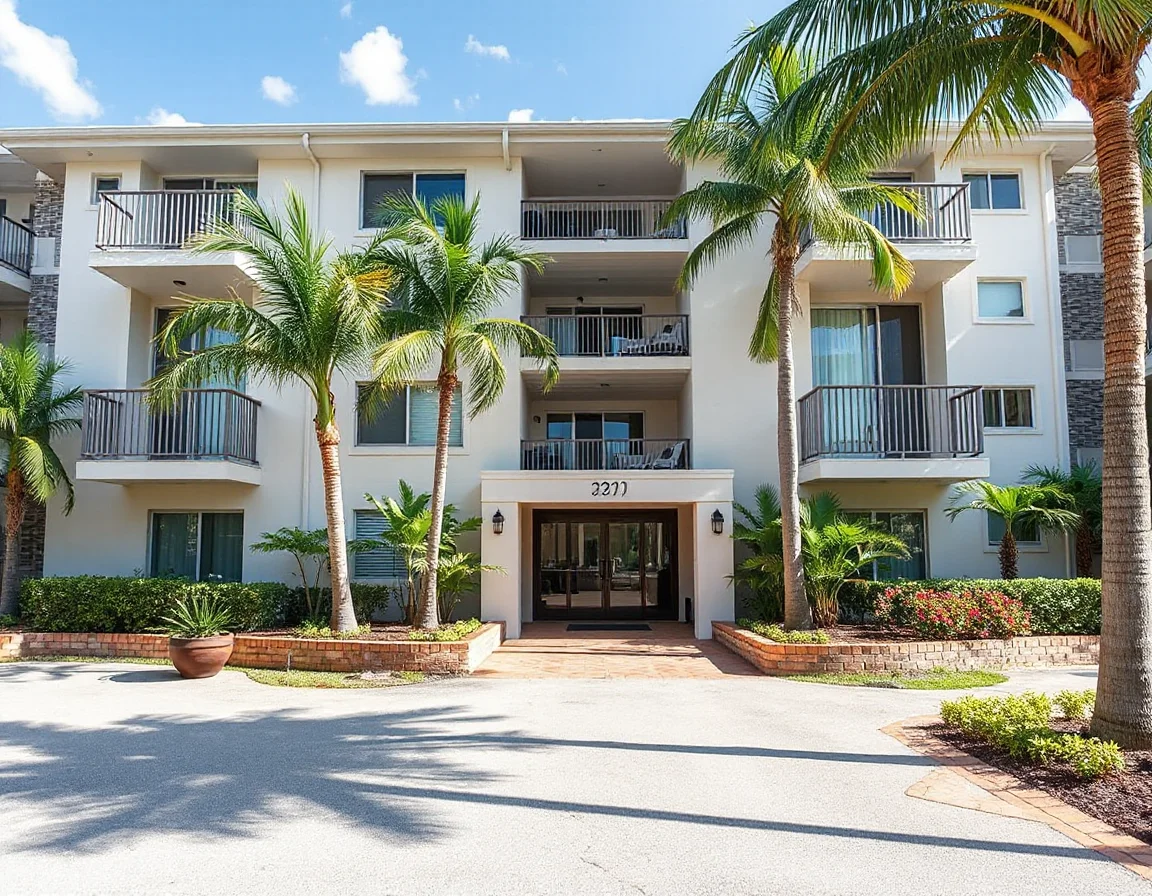
The useful question is not simply “What can I borrow?” It is “What will this home cost to buy, insure, maintain, and live in?” A lender and real estate professional can help estimate many of these items, while property disclosures, association documents, and insurance quotes fill in the rest. The exact total depends on the property, financing, contract terms, and timing, so use estimates as planning tools rather than fixed promises.
First-time buyers also benefit from keeping two separate reserves: one for closing and move-in, and another for the unexpected repairs or adjustments that can arise after taking ownership. Even a well-maintained property may need new locks, utility deposits, window treatments, touch-up work, or a service call during the first month.
A strong offer budget includes both the money due at closing and a reserve that remains available afterward. Keeping those buckets separate can prevent a successful closing from turning into a strained first month of ownership.
Here are seven costs worth discussing with your lender, agent, insurance professional, and, when applicable, the property’s association before you make an offer.
1. Your Down Payment and Earnest Money Deposit
The down payment is the portion of the purchase price you contribute at closing. The amount varies by loan program and borrower qualifications; some programs allow lower down payments than others. A larger down payment can reduce the loan amount and may change mortgage insurance requirements, but it should not automatically consume every dollar you have saved.
Before closing, buyers commonly provide an earnest money deposit after a contract is accepted. This deposit is typically held in escrow and is generally credited toward the purchase at closing. Contract deadlines and contingencies matter, however, so review them carefully with the professionals supporting your transaction. The deposit is not an extra fee when handled as intended, but it is cash that needs to be available early in the process.
Ask your lender for side-by-side illustrations showing how different down payment amounts affect estimated monthly principal, interest, mortgage insurance, and funds needed to close. Comparing scenarios before you fall in love with a particular property can keep the search focused and practical.
2. Lender Fees, Title Services, and Other Closing Costs
Closing costs bring together the services and government charges required to transfer and finance a home. Depending on the loan and contract, they can include lender origination or processing charges, appraisal fees, credit report fees, title insurance, settlement services, recording charges, and prepaid items. Your lender’s Loan Estimate is one of the best documents for understanding the financing side of the transaction.
In Florida, title and closing practices can vary by transaction and local custom, so do not assume another buyer’s experience will match yours. The purchase agreement identifies which party is responsible for particular charges, and some costs may be negotiable. A seller contribution toward allowable closing costs can sometimes be part of an offer strategy, subject to the loan program and the overall terms of the deal.
Requesting estimates early gives you time to compare options and ask clear questions. Rather than focusing on one line item, look at the total cash needed to close, the interest rate, lender credits, and the long-term effect of the loan structure.
Talk through your North Miami Beach home search
3. Inspections, Appraisals, and Property Due Diligence
An inspection is a buyer-paid cost that can deliver important information before closing. A general home inspection may identify visible conditions involving the roof, electrical system, plumbing, air conditioning, appliances, and structure. Depending on the property, buyers may also choose specialized inspections or evaluations, such as wind mitigation, roof, plumbing, electrical, mold, or pest-related assessments.
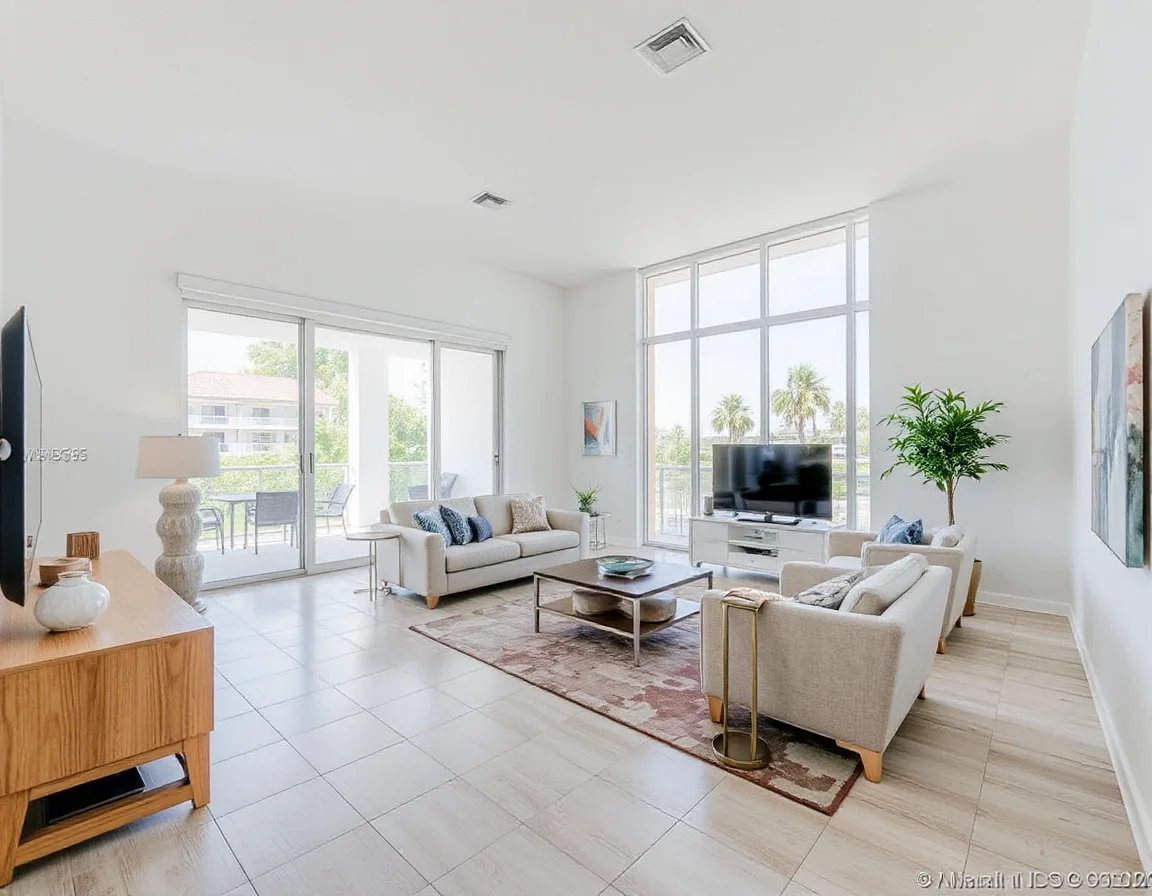
The appraisal is different: it is generally ordered for the lender to support the loan decision and estimate the property’s value for lending purposes. Buyers may pay for it as part of loan costs. An appraisal is not a substitute for an inspection, and an inspection is not a guarantee that every future repair has been identified. Together, they are tools for making an informed decision.
For a condominium, due diligence should extend beyond the individual unit. Review the association’s budget, rules, financial statements, meeting minutes when available, insurance information, reserves, pending assessments, and rental or occupancy policies. Florida condominium requirements and association documentation can be detailed, so allow enough time during the contract period to read what you receive and ask questions.
Older buildings, coastal conditions, building maintenance schedules, and deferred repairs can all influence ownership costs. A lower purchase price does not always mean a lower long-term expense, especially if significant building work or an assessment is being discussed.
4. Homeowners Insurance, Flood Coverage, and Prepaid Escrows
Insurance deserves attention as early as the offer stage. Premiums can vary widely based on property type, construction, roof age, wind-resistance features, elevation, location, selected coverage, deductible, and insurer underwriting. For many financed purchases, the lender will require proof of appropriate insurance before closing.
Some buyers will need flood insurance, while others may decide to obtain coverage even when it is not required by the lender. Flood risk maps, building elevation, association master policies, and the details of a particular unit or home all matter. An insurance agent can explain available coverage and exclusions; do not rely on a general estimate from a listing or an online calculator.
At closing, lenders may collect an initial insurance premium and establish an escrow account for future insurance and property-tax payments. This can make the upfront total look larger than expected. It is not necessarily a permanent extra monthly expense, but it is money that must be accounted for in the closing plan.
5. Property Taxes and Possible Tax Changes
Property taxes are a recurring ownership cost, and the amount shown on a listing may reflect a previous owner’s exemptions or purchase history. After a sale, the assessed value and tax bill can change. Buyers should use current public information as a starting point, then consult the appropriate county resources or a qualified tax professional for a more tailored estimate.
Florida’s homestead exemption may be available to eligible owners who make the property their permanent residence, but eligibility and filing requirements should be confirmed directly with the relevant office. If you are planning a purchase around a specific monthly budget, include a realistic tax estimate rather than assuming last year’s bill will remain unchanged.
A useful planning habit is to calculate your expected monthly housing expense using principal, interest, estimated taxes, insurance, association dues, and any mortgage insurance. That broader figure is more meaningful than a mortgage payment alone.
6. Condominium or HOA Dues, Applications, and Assessments
For a condo, townhome, or community with an association, monthly or quarterly dues may cover services such as building insurance, exterior maintenance, common-area upkeep, landscaping, reserves, security features, water, or amenities. What is included differs from one property to another. Compare dues alongside the budget and scope of services, not in isolation.
There may also be application fees, move-in or move-out fees, deposits, parking-related charges, transfer fees, and document fees. These are especially important to ask about when your move-in date is tight. Associations can have approval procedures and scheduling rules that affect the timeline after closing.
Special assessments are another item to investigate. They may be used for substantial repairs, mandated work, or improvements that the regular budget does not fully cover. Reviewing association materials and asking direct, property-specific questions can help you understand whether an assessment has been approved, is being considered, or has already been paid.
Search North Miami Beach listings
7. Moving, Utilities, Furnishings, and the First Year of Ownership
The final category is easy to underestimate because it arrives in many small transactions. Movers, packing supplies, utility activation, internet installation, storage, cleaning, window coverings, furnishings, and replacement items can add up quickly. A condominium may require elevator reservations or move-in deposits; a single-family home may bring landscaping, irrigation, pest-control, or pool-service costs.
It helps to make a “day one” list and a “year one” list. Day-one items are essentials needed for move-in. Year-one items are projects that can wait, such as cosmetic updates, furniture upgrades, or landscaping changes. This approach lets you enjoy the home without feeling pressure to complete every improvement immediately.
Buying in North Miami Beach can be an exciting milestone, particularly when you enter the process with a detailed plan instead of a single headline number. Gather written estimates, read documents carefully, leave room for adjustments, and revisit your budget whenever the property or loan terms change. A clear view of these seven costs makes it easier to pursue a home with confidence and a realistic financial foundation.